 01 / THE PHILOSOPHY
Our Philosophy
A different relationship with the mountains, shaped by attention, shared experience and the skills and judgement we pass on.
Explore
 01 / THE PHILOSOPHY
A different relationship with the mountains, shaped by attention, shared experience and the skills and judgement we pass on.
Explore 02 / THE PEOPLE
From Guillaume Lucazeau’s personal path to a shared approach to guiding: technical attention, calm judgement and a genuine care for people.
Explore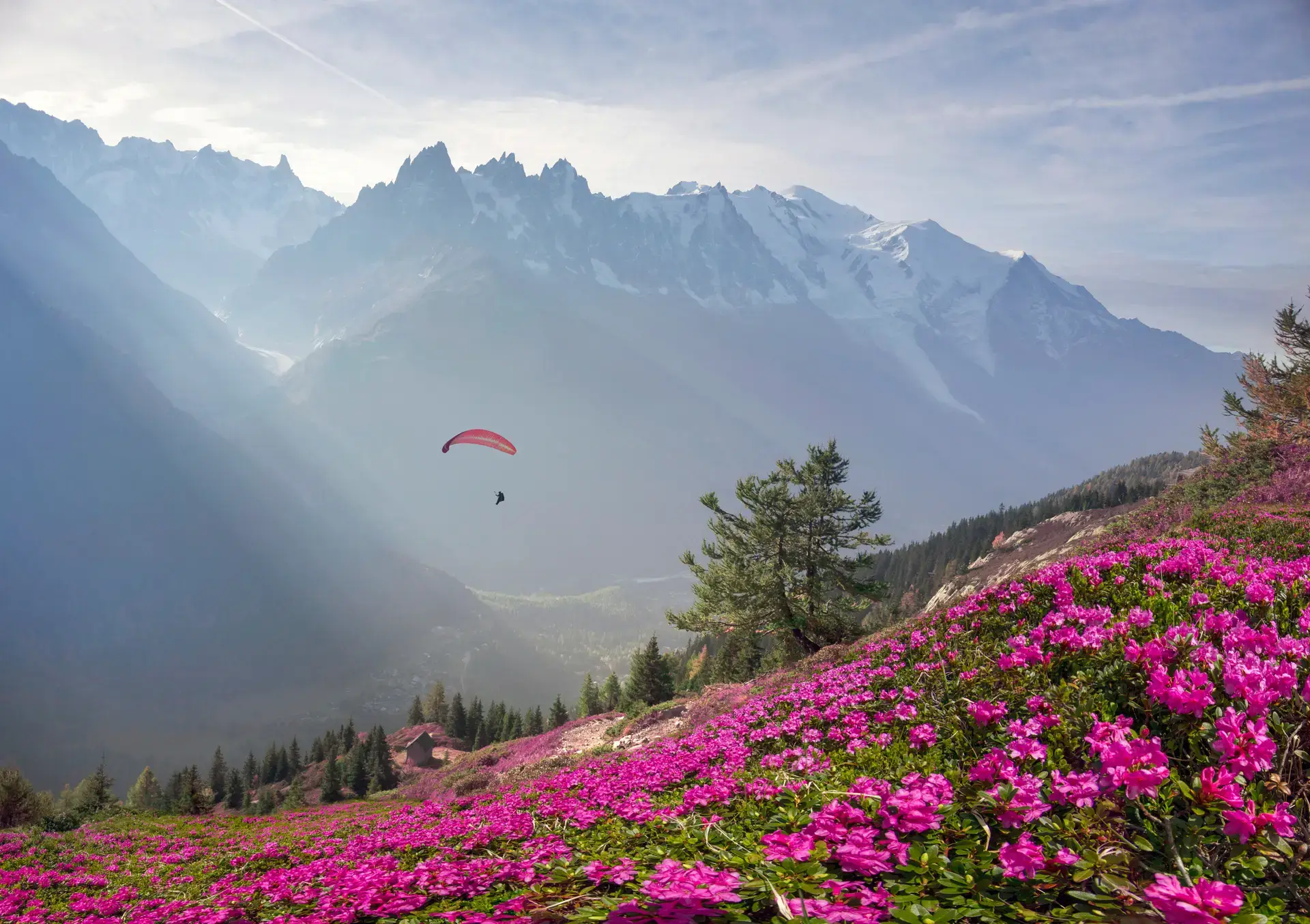 03 / THE ROOTS
Rooted in the Mont Blanc region, open to the world. A territory known through daily life, changing seasons and time in the mountains.
Explore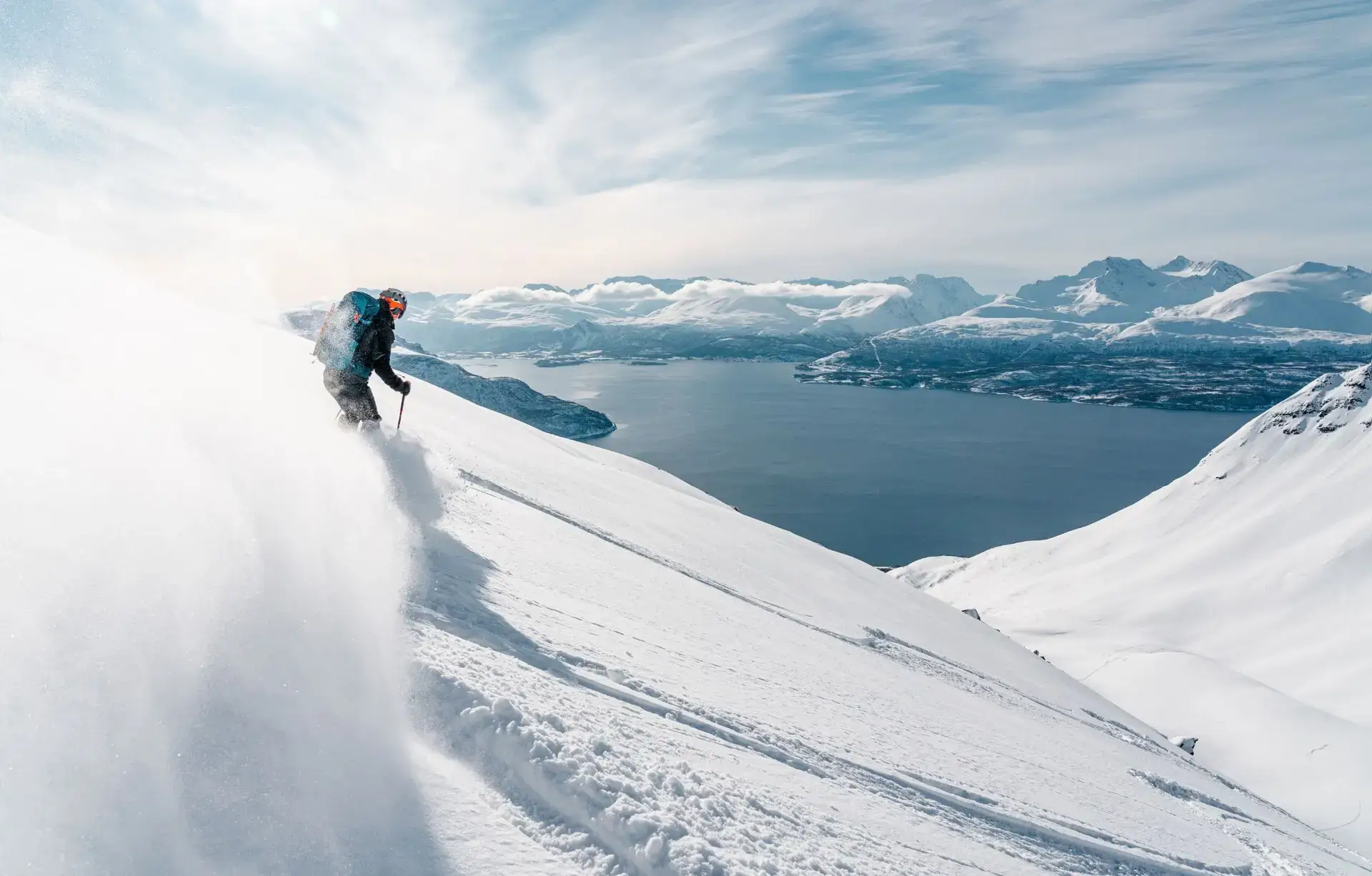 04 / YOUR JOURNEY
A conversation becomes a journey. Your wishes, experience and rhythm meet the realities of the terrain, with room to adapt.
Explore 05 / THE JUDGEMENT
Prepare clearly. Keep observing. Know when to change the plan. Good judgement belongs to every stage of the experience.
Explore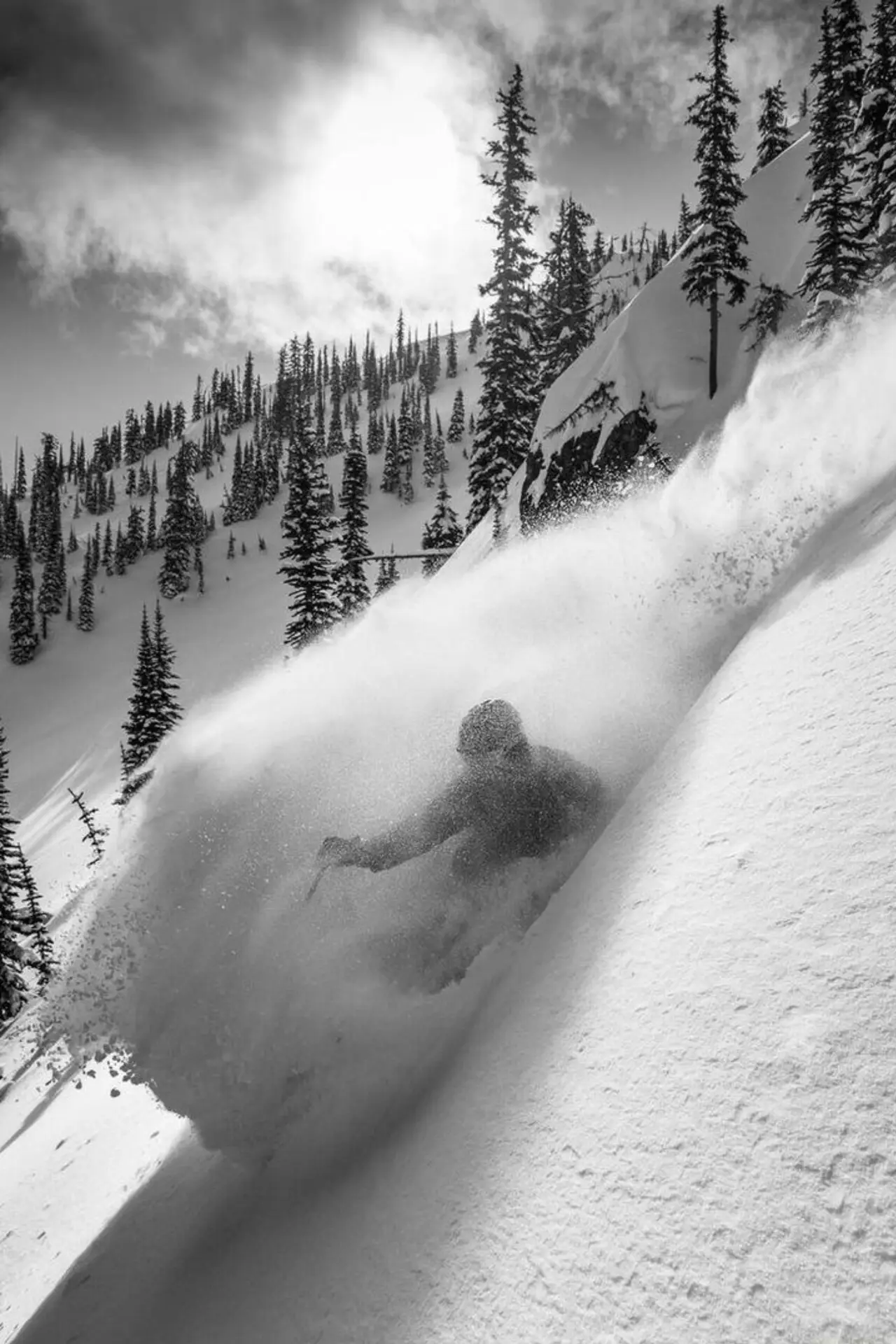 06 / THE RESPECT
Respect for living landscapes, individual limits and local ways of life. A thoughtful experience considers the people and places around it.
Explore

01 — THE PURPOSE
Capable people do not automatically become an effective collective. The quality of a team depends on what happens between them: the questions that are asked, the information that is shared and the way disagreement shapes a decision.
Corporate Ascent offers a different setting in which to examine those relationships. Beyond familiar meeting rooms, shared mountain experience creates a common point of reference. Preparation, pace and changing conditions bring communication and responsibility into immediate view.
The purpose begins with your organisation. A board seeking a more open exchange, an executive team navigating change or a group building a shared direction will each bring a different question. That question gives the experience its relevance.
Our ambition is to help teams see their own habits more clearly and make more deliberate choices about how they work together. Trust becomes visible in behaviour. Alignment gains substance through decisions. Leadership becomes something the group practises together.
03 — THE JOURNEY
A useful team experience starts with a shared intention. Why bring these people together now? What needs attention: the quality of debate, confidence in one another, a change in direction or a conversation that has become difficult to have?
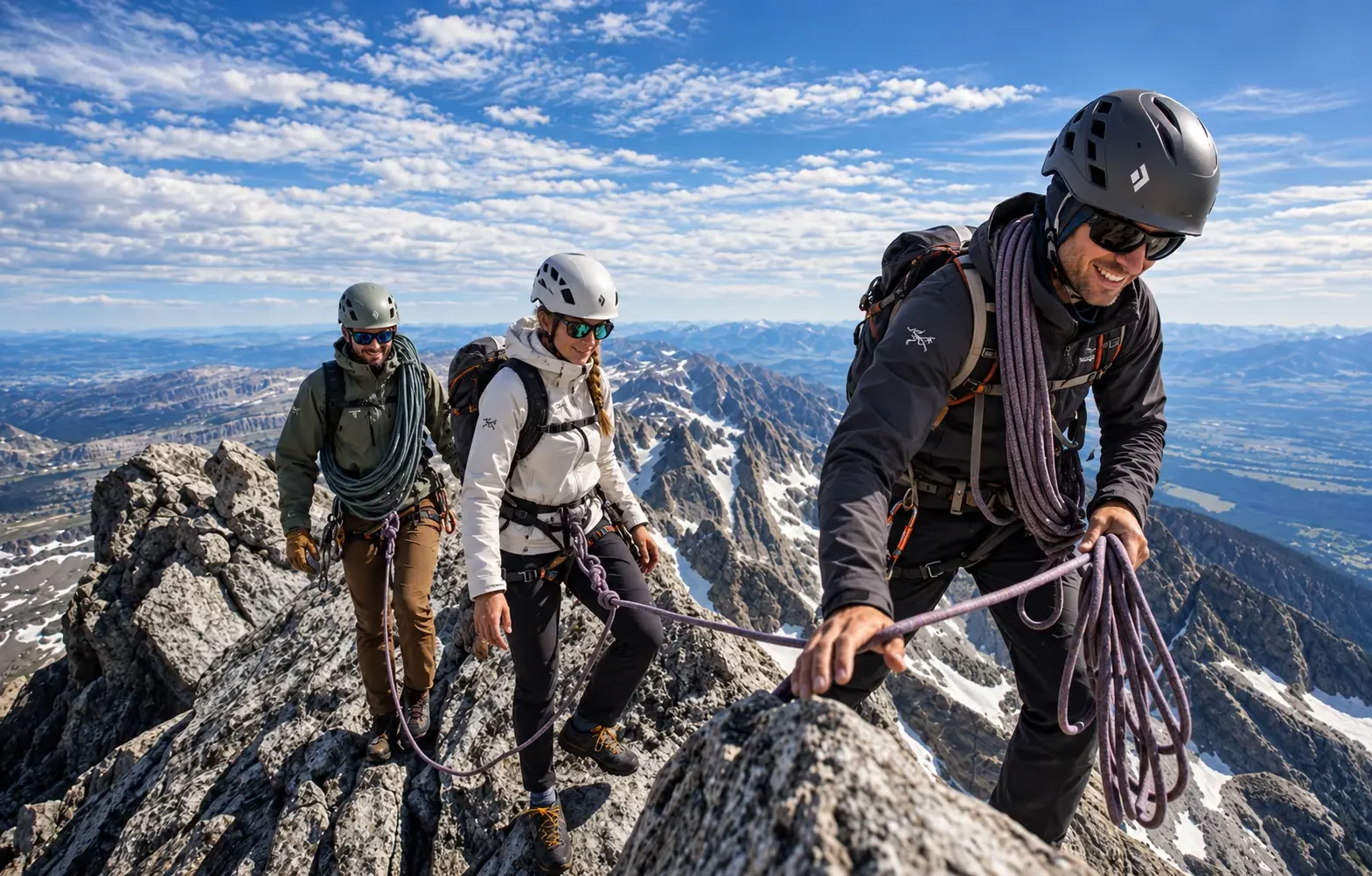
The mountain gives the group something real to engage with. Different levels of experience, changing conditions and a shared pace make coordination tangible. The way people explain a choice, offer support or respond to another view becomes easier to notice.
Reflection gives those observations a professional context. Which habits helped the group? Which voices shaped the decisions? What information was missing, and how did the team respond when the plan needed to change? The value lies in an honest reading of what happened.
A shared experience can become a useful point of reference long after the return. Its relevance depends on how clearly the group connects what it has seen with the way it intends to work together next.
04 — COLLECTIVE LEADERSHIP
A strong team needs more than agreement. It needs the ability to surface different perspectives, examine them properly and commit to a decision without losing the value of those differences.
Shared terrain offers a practical setting for exploring that balance. One person may notice a change in conditions; another may recognise a shift in the group’s energy. Leadership can move towards the person whose attention or experience is most useful in that moment.
The questions are direct. How does the group respond to uncertainty? Who speaks first, and who is heard last? Can someone challenge the plan without weakening the sense of shared responsibility? These patterns often matter as much as individual capability.
The intention is to give the team a clearer understanding of how its strengths work together. A common direction becomes more credible when people understand the reasoning behind it and can see their own responsibility within it.

05 — THE RETURN
An experience can feel significant and still disappear into the first week back. The return deserves deliberate attention: time to distinguish an enjoyable memory from an observation that can improve the way the group works.
Begin with what was actually visible. A decision improved when more people contributed. A misunderstanding persisted because an assumption was left unspoken. Progress became easier when responsibility was clarified. Specific examples give the team something useful to discuss.
Choose a small number of commitments with a place in ordinary work. That might mean a different way to open a difficult discussion, a clearer agreement about who decides or a habit of asking for perspectives before settling on a course.
Consider how the group will return to those intentions and recognise whether anything has changed. A shared point of reference is most valuable when it remains available for the next real decision, disagreement or period of uncertainty.
06 — FOR ORGANISATIONS
Every organisation brings a different reason for stepping outside its usual setting. A newly formed executive team, an established board or a group navigating change may need very different kinds of conversation.
Tell us who is taking part, what is happening in the organisation and why this moment matters. The purpose may already be precise, or it may need to be clarified before a programme can be considered. That early conversation helps distinguish a useful shared experience from an event without a clear role.
The group’s sporting experience, individual needs and practical constraints also shape what is appropriate. Discuss the timing, intended activities, format and level of challenge so that the experience can engage the people involved with a shared purpose.
Before confirming, agree the scope and practical arrangements, the questions the team wants to examine and what a worthwhile return would look like. A clear brief leaves room for discovery while keeping the organisation’s priorities in view.