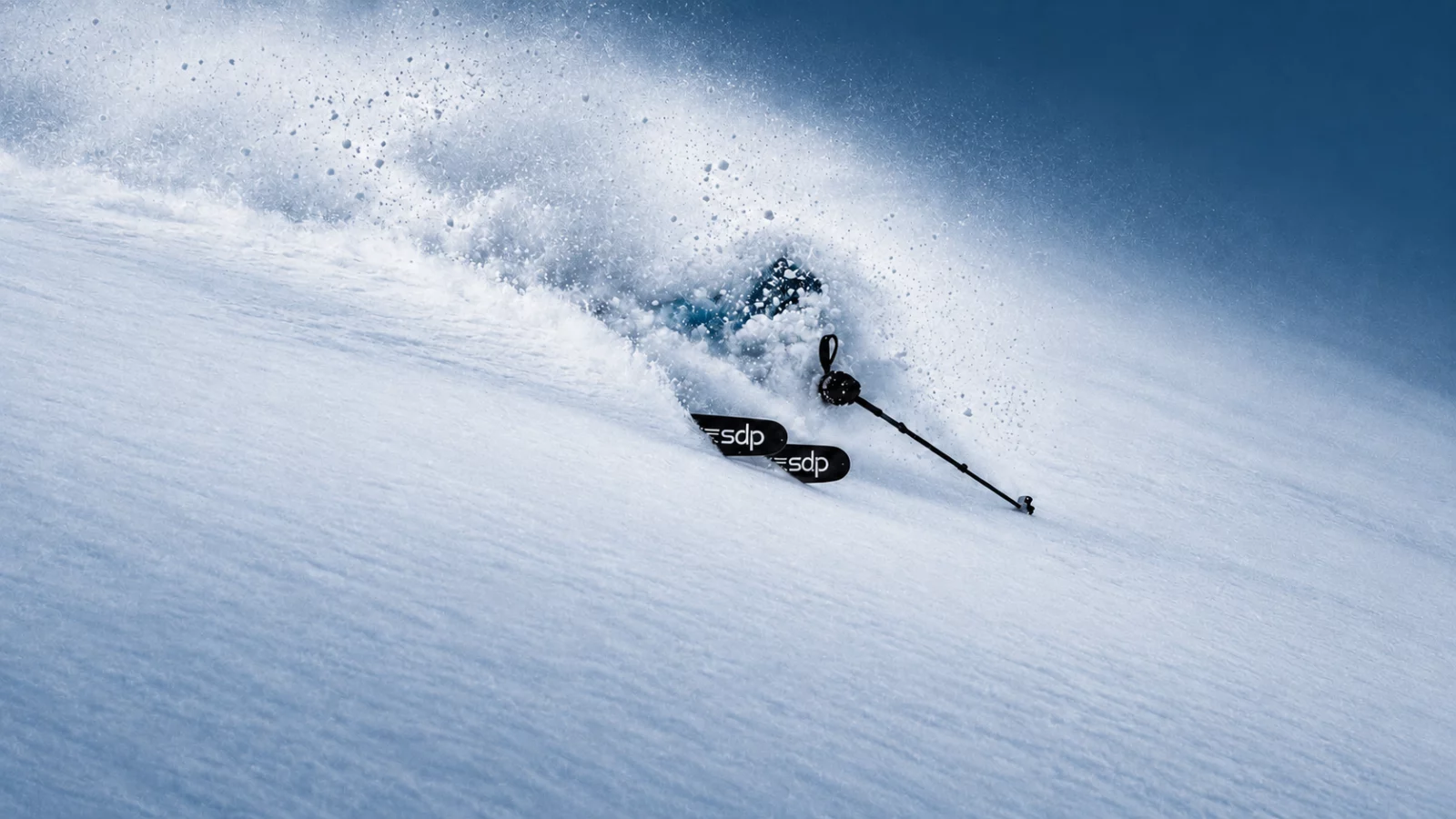
 01 / THE PHILOSOPHY
Our Philosophy
A different relationship with the mountains, shaped by attention, shared experience and the skills and judgement we pass on.
Explore
 01 / THE PHILOSOPHY
A different relationship with the mountains, shaped by attention, shared experience and the skills and judgement we pass on.
Explore 02 / THE PEOPLE
From Guillaume Lucazeau’s personal path to a shared approach to guiding: technical attention, calm judgement and a genuine care for people.
Explore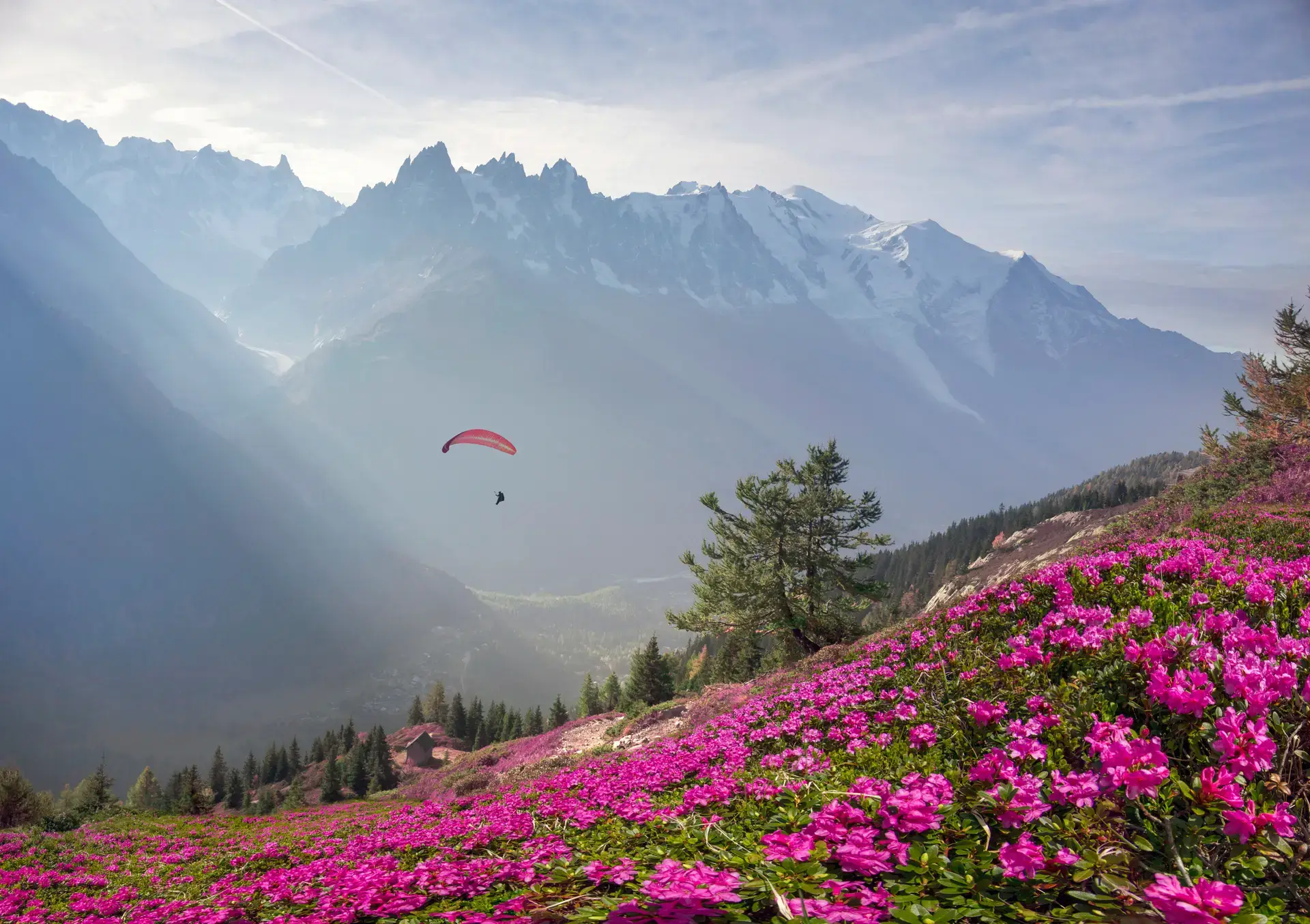 03 / THE ROOTS
Rooted in the Mont Blanc region, open to the world. A territory known through daily life, changing seasons and time in the mountains.
Explore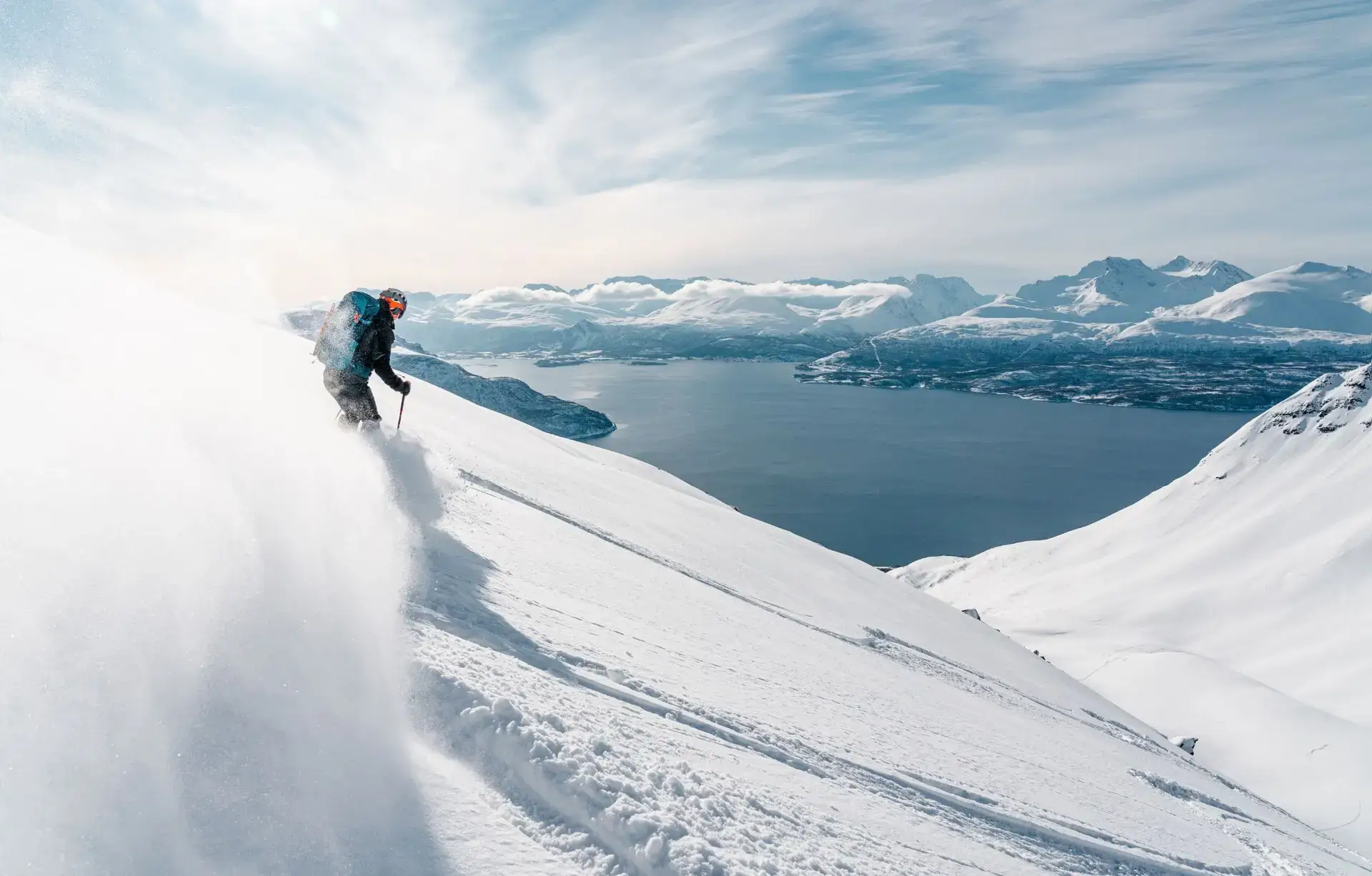 04 / YOUR JOURNEY
A conversation becomes a journey. Your wishes, experience and rhythm meet the realities of the terrain, with room to adapt.
Explore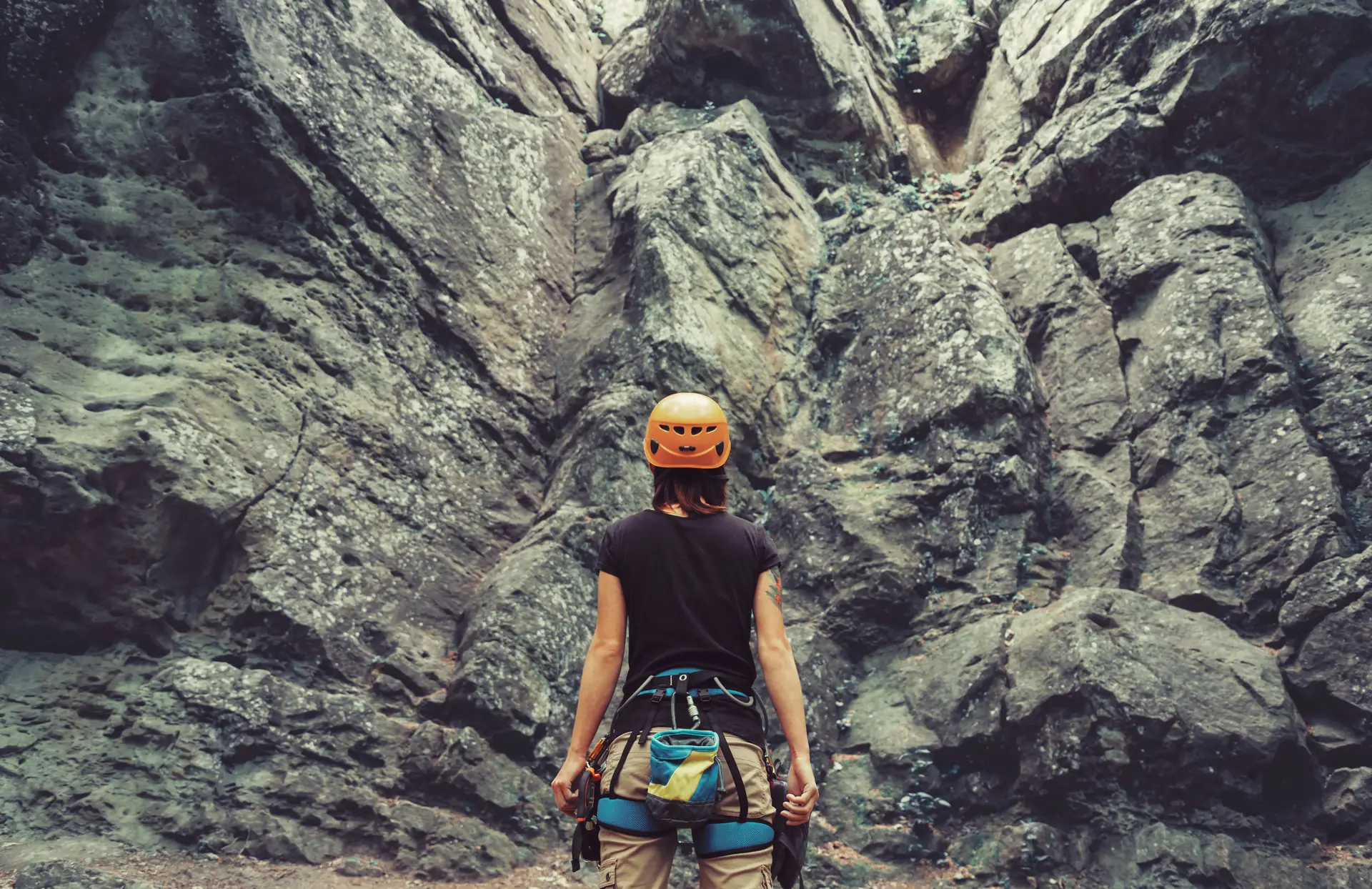 05 / THE JUDGEMENT
Prepare clearly. Keep observing. Know when to change the plan. Good judgement belongs to every stage of the experience.
Explore 06 / THE RESPECT
Respect for living landscapes, individual limits and local ways of life. A thoughtful experience considers the people and places around it.
Explore

01 — THE PURPOSE
Leadership brings a particular kind of proximity: to urgent decisions, competing expectations and the consequences of every choice. Over time, that proximity can make it harder to see which questions deserve your full attention.
Executive Leadership creates a reason to step outside the usual setting. Mountain experience gives reflection something concrete to work with: the way you prepare, read a situation, respond to uncertainty and relate to the people around you.
The focus is your own practice of leadership. What do you notice first? What assumptions do you carry? When does conviction serve you, and when would a different perspective improve the decision? These questions connect personal awareness with the realities of responsibility.
The ambition is greater coherence between what matters to you and how you lead. A clearer view can help you recognise the decisions that need courage, the habits that need attention and the direction you are prepared to own.

03 — THE JOURNEY
The value of stepping away depends on what you bring into view. A transition, an important decision, sustained pressure or a sense that your leadership needs to evolve can each provide a meaningful starting point.
The mountains interrupt familiar patterns. Attention becomes physical and immediate: pace, terrain, conditions and the response of others. Those observations offer a useful perspective on how you work with uncertainty and how your conduct shapes a situation.
Reflection connects the experience to your professional life. Where did you act from habit? What changed when you listened longer? Which decisions became clearer when you stopped trying to resolve everything at once? The purpose is to explore the questions that are relevant to you, with enough distance to examine them honestly.
The journey gains meaning through the choices that follow. A different conversation, a clearer boundary or a decision finally made can give practical form to a new perspective.
04 — JUDGEMENT & AUTONOMY
Important decisions rarely arrive with complete information. They ask you to interpret a situation, weigh consequences and act while remaining open to what you may have missed.
Mountain experience makes that process tangible. Conditions evolve. Energy changes. A plan that made sense earlier may need to be reconsidered. The quality of a response depends on observation, communication and a willingness to revise an assumption before it becomes a constraint.
This is an opportunity to examine your own decision-making habits. Do you move quickly to restore certainty? Hold back while seeking more evidence? Invite challenge, or unintentionally discourage it? Recognising the pattern creates more freedom to choose your response.
Autonomy carries responsibility for both the decision and its effects. Knowing when to seek expertise, adjust the pace or change direction is part of that responsibility. Clear leadership combines conviction with the discipline to keep paying attention.

05 — THE FOUR PASSAGES
Prepare. Begin with the context you want to examine. Clarify the question, the responsibilities involved and the assumptions you may need to revisit. A useful intention gives the experience direction while leaving room for discovery.
Engage. Bring your attention to the terrain and the people around you. Notice how you respond when circumstances shift, effort increases or another perspective challenges your own. Experience provides material that a discussion alone may not reveal.
Reflect. Give those observations time and language. Examine the difference between what you intended and what happened. Consider which habits served the situation and which may deserve a different response.
Integrate. Choose what to carry forward. That may be a conversation to initiate, a decision to revisit or a behaviour to practise more deliberately. A small number of precise intentions gives the return a clearer direction than an ambitious list with no place in daily life.
06 — FOR LEADERS
There is no single moment at which a leader needs perspective. You may be taking on broader responsibility, considering a transition or trying to make room for thought within an already demanding role.
The conversation starts with your context and the questions you want to explore. What has become difficult to see clearly? Which decisions keep returning? What would make time away worthwhile? You do not need a finished brief, but a clear reason for beginning helps shape a relevant experience.
Your sporting experience, preferences and practical needs matter too. Different activities offer different ways to engage with the mountains. Discuss the intended activities and level of challenge so the setting supports the work you want to do.
Before committing, clarify the proposed format, arrangements and expectations with us. The aim is a considered programme with a clear connection to your responsibilities — and enough room for you to discover something you could not have specified in advance.