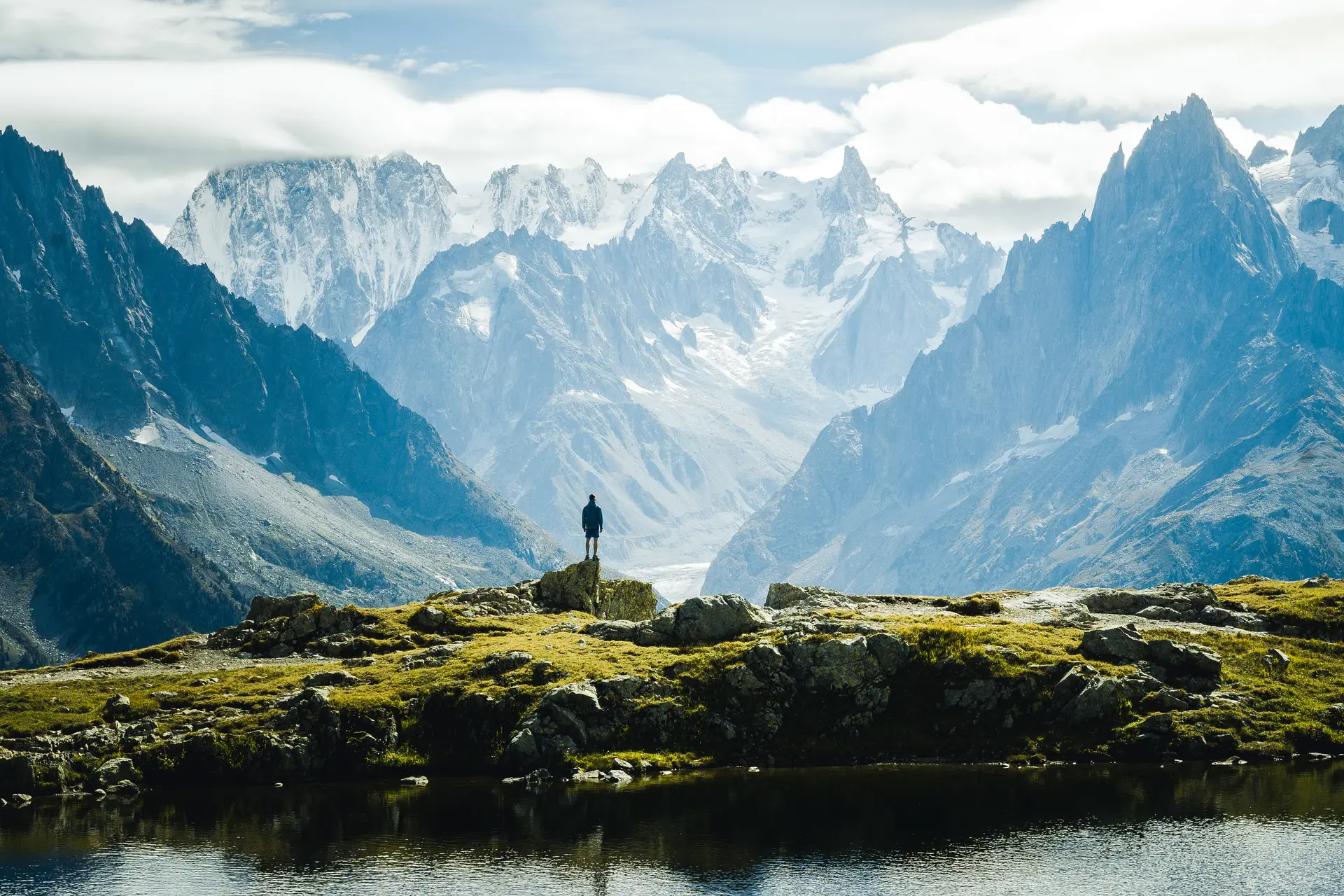
 01 / THE PHILOSOPHY
Our Philosophy
A different relationship with the mountains, shaped by attention, shared experience and the skills and judgement we pass on.
Explore
 01 / THE PHILOSOPHY
A different relationship with the mountains, shaped by attention, shared experience and the skills and judgement we pass on.
Explore 02 / THE PEOPLE
From Guillaume Lucazeau’s personal path to a shared approach to guiding: technical attention, calm judgement and a genuine care for people.
Explore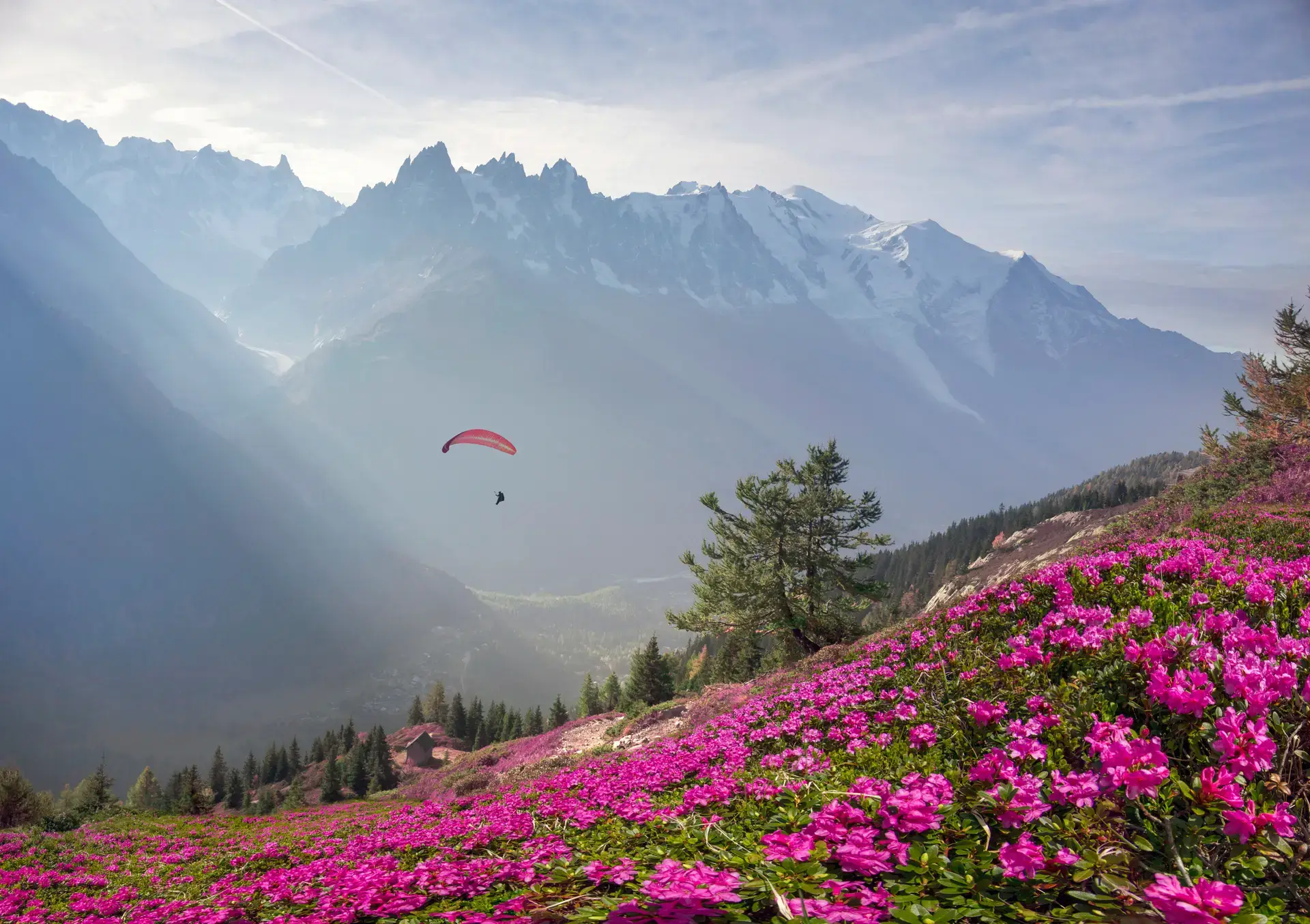 03 / THE ROOTS
Rooted in the Mont Blanc region, open to the world. A territory known through daily life, changing seasons and time in the mountains.
Explore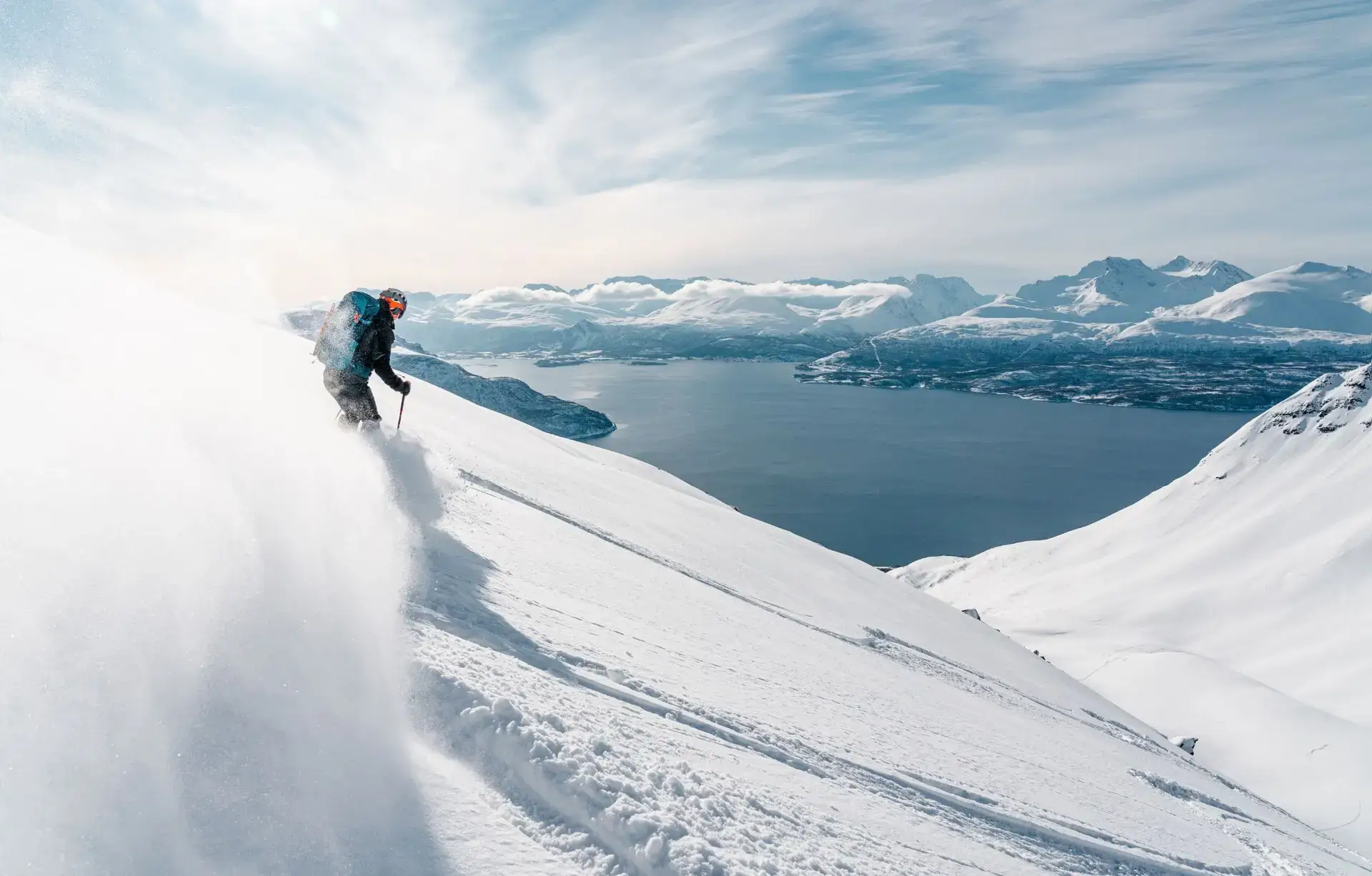 04 / YOUR JOURNEY
A conversation becomes a journey. Your wishes, experience and rhythm meet the realities of the terrain, with room to adapt.
Explore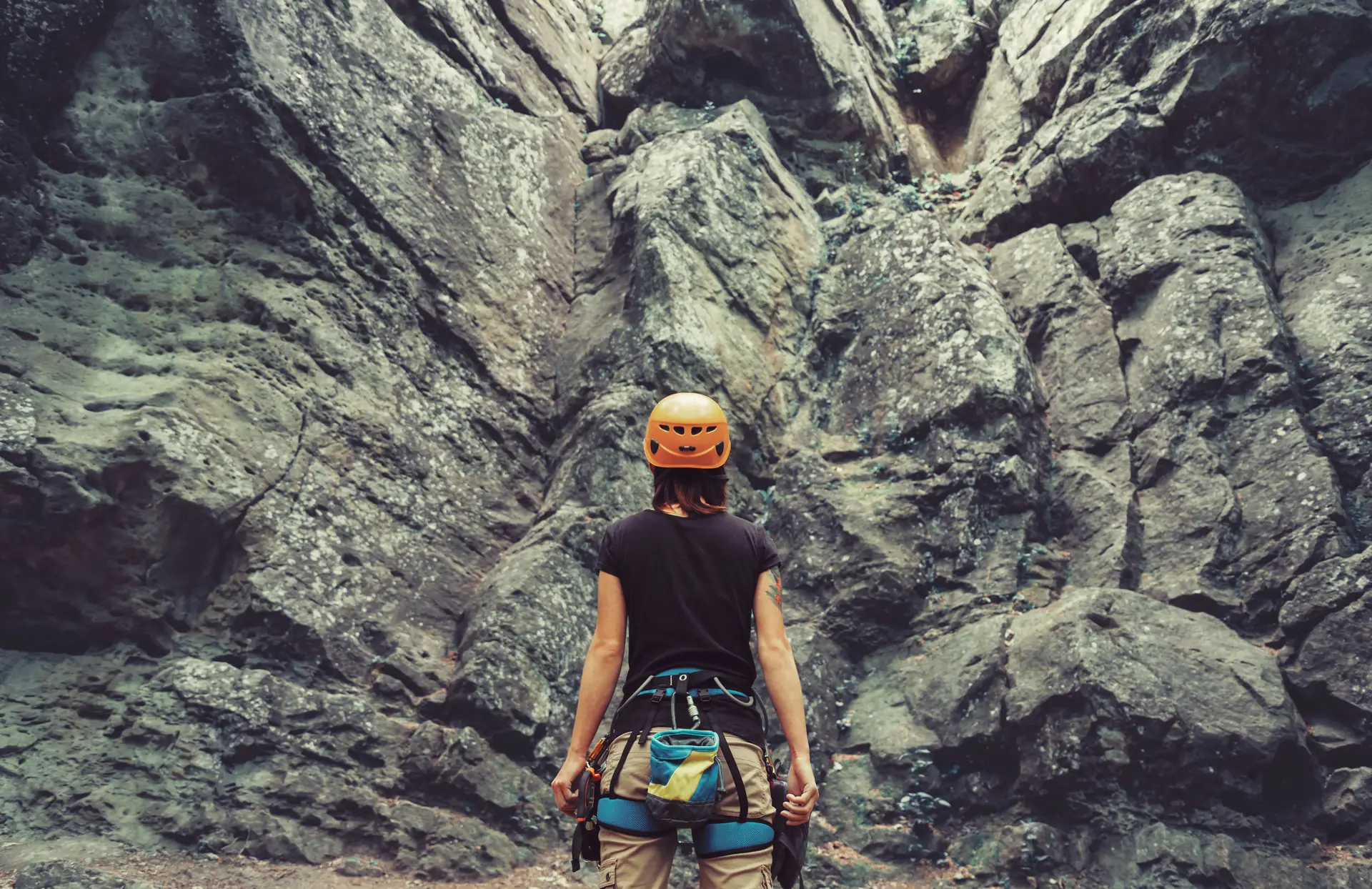 05 / THE JUDGEMENT
Prepare clearly. Keep observing. Know when to change the plan. Good judgement belongs to every stage of the experience.
Explore 06 / THE RESPECT
Respect for living landscapes, individual limits and local ways of life. A thoughtful experience considers the people and places around it.
Explore

01 — THE PURPOSE
A young person can be capable, well supported and full of promise, yet still need experiences that are truly their own. A setting in which effort has meaning, decisions have consequences and confidence is earned through participation.
Rising Wild approaches leadership through the realities of mountain life. Preparing for the day. Paying attention to changing conditions. Listening before offering an opinion. Taking responsibility for a task that matters to someone else. These moments give leadership a practical meaning, beyond personality or performance.
Sport provides the focus. Reflection gives the experience depth. Learning to recover after a difficult attempt can matter as much as learning a new technique; recognising when to ask for help can show as much judgement as taking the initiative.
Our ambition is to help young people develop a more grounded sense of who they are: willing to stretch themselves, thoughtful about others and increasingly able to choose their own direction.
03 — THE JOURNEY
The journey starts with curiosity. What happens when the familiar routine falls away? How does a young person approach an unfamiliar skill, a different group or a task they cannot solve at once?
Changing terrain brings fresh challenges, while the learning follows a common thread: observe, take part, reflect and try again. Sporting practice gives the day its substance. Conversations about what happened help turn a moment of frustration, courage or generosity into something a young person can understand and use.
Leadership emerges in ordinary situations. Offering a clear idea. Making space for someone quieter. Being prepared. Owning a mistake without withdrawing from the group. The intention is to make these behaviours visible and meaningful.
There is room for enjoyment, too. The freedom of movement, the pleasure of improving and the friendships formed through shared effort are part of why the experience matters. Growth becomes more personal when a young person wants to take part.
04 — THE ALPINE PROGRESSION
Progression begins with the young person in front of us: their experience, their interests and the way they respond to learning. The next useful step may be greater technical precision, a more consistent approach or the confidence to attempt something unfamiliar.
In the mountains, competence and judgement belong together. A movement can improve while a decision still needs thought. Young people learn to notice conditions, recognise their own limits and understand why a particular choice makes sense.
As confidence develops, responsibility can grow with it. Explaining an intention, helping a peer prepare or contributing to a group decision gives sporting progress a wider purpose. Independence becomes the ability to act thoughtfully and to recognise when guidance is needed.
We value the quality of progress over the appearance of achievement. The question is what a young person understands more clearly, practises more consistently and feels ready to take responsibility for next.
05 — CARE & SAFEGUARDING
A worthwhile challenge starts with a clear understanding of the individual. Sporting experience is only part of that picture. Confidence, health, personal needs and the way a young person responds to a new setting also deserve attention.
Families need specific information before making a decision. The proposed activities, supervision, accommodation where relevant, communication arrangements and safeguarding procedures are essential parts of that conversation. Questions about medical needs, personal boundaries or who a child can speak to should be raised openly before a programme is confirmed.
For young people, responsibility includes knowing when to speak up. Saying that something feels uncomfortable, admitting fatigue or asking for clarification are signs of judgement. Our philosophy values those choices alongside initiative and perseverance.
The aim is a considered balance between encouragement and individual readiness. Discuss the practical arrangements with us so that both you and your child understand the proposed experience and can decide whether it is the right fit.
06 — FOR PARENTS
For many families, the important question extends beyond where a child will go or which sport they will practise. It is what they may discover about themselves when they have space to act, contribute and make decisions beyond their usual routine.
Start by telling us about your child. Their interests, sporting experience, relationships with challenge and any particular needs help give the conversation substance. Their own wishes matter just as much: a programme has more meaning when a young person understands why they want to be there.
We can then explore the sporting focus, the timing and the kind of personal development you have in mind. Greater independence, a stronger voice within a group or a more thoughtful response to setbacks may each call for a different emphasis.
Before you decide, ask us about the proposed format and practical details. A considered choice gives your child a clearer starting point — and gives you a better understanding of the experience you are choosing together.


